
Applying to Camp America Without Experience
Podcast: Play in new window | Download
Subscribe: Spotify | TuneIn | Deezer | RSS | More
Here’s something that puts a lot of people off applying to Camp America before they’ve even started: the creeping feeling that they don’t have enough experience to get hired. No youth work on the CV. No formal qualifications in childcare. Never actually run a campfire in their life.
Good news: that’s fine. Genuinely. Camp America is not looking exclusively for people with a stack of professional credentials. It’s looking for people who are enthusiastic, adaptable, and good with kids — and those qualities can come from a lot of places.
What “Experience” Actually Means to a Camp
When a camp looks at your application, they’re not running it through an HR system scoring your formal qualifications out of ten. They’re asking a much simpler question: do I think this person can be trusted with my campers?
Experience that answers that question doesn’t have to be formal. Think about the things you’ve done that involved being responsible, working with young people, or operating in any kind of team or outdoor setting:
– Babysitting or looking after younger siblings or cousins
– Being involved in any youth group — Scouts, Guides, Cadets, sports teams, drama groups
– Sports coaching or refereeing, even at a junior or amateur level
– Teaching, tutoring, or mentoring in any form
– Any skill that could translate to a camp activity — music, art, climbing, swimming, archery, drama, photography
None of these require a certificate. They just need to be real, and you need to be able to talk about them genuinely in an interview.
Building Experience Quickly
If you feel like you genuinely have nothing relevant to point to, there are ways to change that fairly quickly before you apply:
- Volunteer with a youth group. Scouts, Guides, St John Ambulance, any local youth organisation will typically welcome volunteer help and give you direct experience working with children in a structured environment. Even a few months of this makes a meaningful difference to an application.
- Get a first aid certificate. The Red Cross and St John Ambulance run basic first aid courses that take a weekend. Camps love this — it’s a concrete, verifiable qualification that shows you’re serious about looking after people.
- Get your swim qualifications. Lifeguarding and swim instructor qualifications are among the most in-demand skills at any camp with a waterfront. If you can swim and are willing to do the course, this will get you placed faster and in better roles.
What to Say in the Interview
If a camp interviewer asks about your experience and your honest answer is “not much formal stuff, but here’s what I have done,” say exactly that. Camps interview a lot of people and they can tell the difference between someone who’s genuinely enthusiastic and has some relevant background versus someone who’s trying to bluff their way through.
Be honest, be specific about the things you have done, and be clear about what you’re excited to learn. That combination will get you further than overselling a thin CV.
The Bottom Line
Camp America is specifically designed to take international volunteers, many of whom are recent school or university leavers with limited formal experience. The programme exists precisely because camps need staff and are willing to train enthusiastic people who fit the culture.
If you’re worried about your experience level — apply anyway. The worst that happens is you get some interview practice.
📚 The full story of how a computer science graduate with no outdoor experience ended up as an Outdoor Living Specialist is in the book.
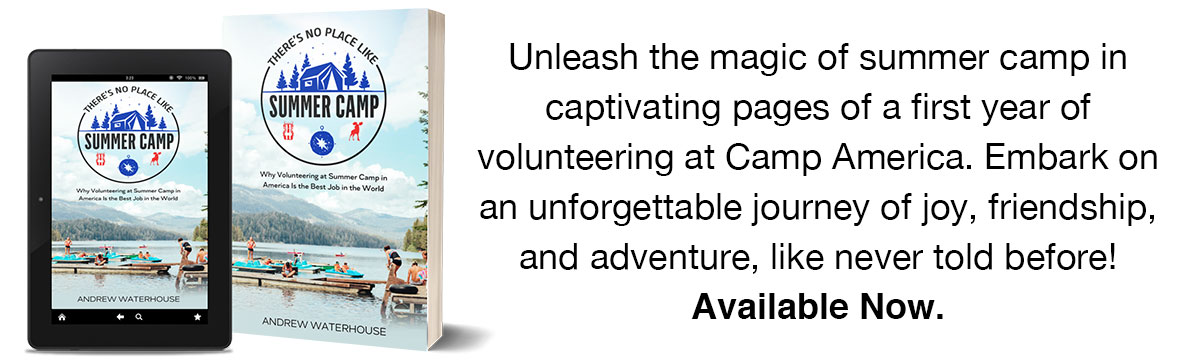
⛺ Enjoyed this episode?
The full story is in the books — grab them on Amazon:
Book 1: There's No Place Like Summer Camp |
Book 2: Second Summer Shenanigans